Lumpiang Shanghai (Filipino Spring Rolls)
Crispy, golden pork rolls — the star of every Filipino party table
By Sam · Published July 3, 2026 · Updated July 21, 2026
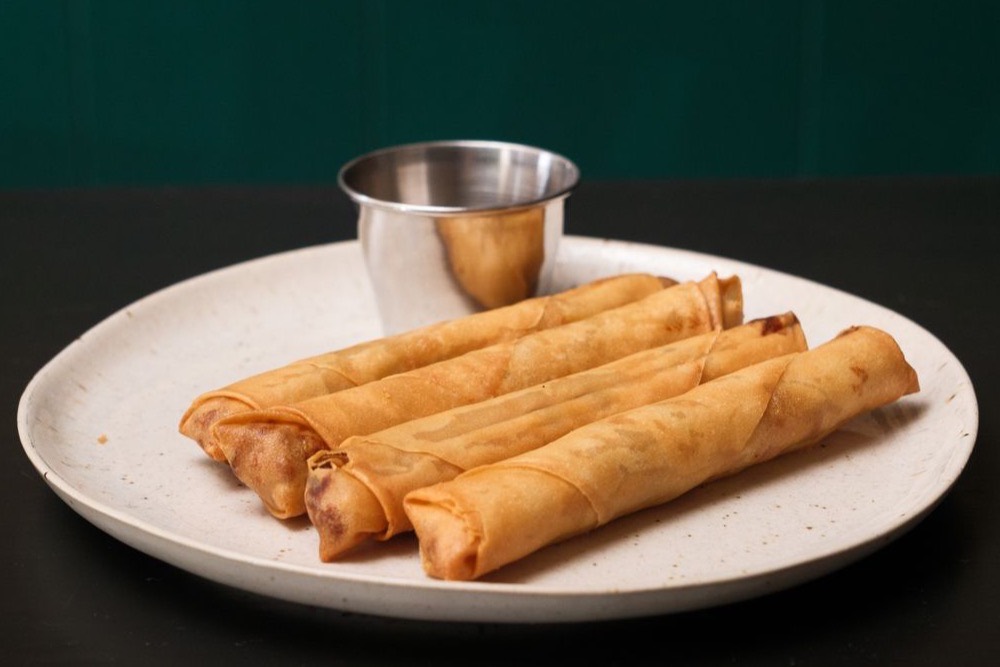
Lumpiang Shanghai are the thin, crispy pork spring rolls that disappear first at any Filipino gathering. The filling is simple and the rolling is the only skill involved — tight, thin rolls fry up shatteringly crisp. Make a big batch; they freeze beautifully before frying.
Ingredients
- 500 g ground pork
- 1 carrot, finely minced
- 1 small onion, finely minced
- 3 cloves garlic, minced
- 1 egg
- 2 tbsp soy sauce
- 1 tsp salt
- 1/2 tsp ground black pepper
- 25 to 30 lumpia wrappers
- Oil, for deep-frying
- Sweet chili sauce or spiced vinegar, to serve
Instructions
- In a bowl, combine the ground pork, carrot, onion, garlic, egg, soy sauce, salt, and pepper. Mix well.
- Place about 1 tablespoon of filling near one edge of a wrapper. Roll tightly into a thin log, folding in the sides, and seal the edge with a dab of water.
- Repeat until all the filling is used. For even cooking, keep the rolls thin and uniform.
- Heat oil to medium (about 170°C/340°F). Fry the rolls in batches until golden brown and cooked through, 4 to 5 minutes.
- Drain on a rack or paper towels. Cut in half and serve hot with sweet chili sauce or spiced vinegar.
Curious which Filipino dish matches your personality? Take the Pinoy Food Personality Test or browse the full Filipino Food Guide.
Ingredient Notes
The wrapper is the decision that matters most. Lumpia wrappers are not the same thing as Chinese egg-roll wrappers, which are thick, doughy, and blister into a heavy shell. What you want is the thin, pale, almost translucent kind sold frozen in Asian groceries, usually labelled "lumpia wrapper" or "spring roll pastry" and often in 8-inch squares. Thin is the whole point — it fries into a brittle, glassy shell instead of a chewy one. Thaw the pack fully in the refrigerator before you open it; peeling apart half-frozen sheets tears them every time.
Ground pork should not be the leanest option on the shelf. Something around 80/20 keeps the filling moist through frying; very lean pork cooks into a dry, crumbly plug. A common home addition is a small amount of minced shrimp or a spoonful of the pork fat trimmed off a belly, both of which push the filling in the right direction.
Mince the vegetables finer than feels necessary. The carrot and onion have to be small enough that the roll stays thin and even — a chunk of carrot creates a bulge that keeps the wrapper from sealing flat, and it will still be raw when the pork is done. Grating the carrot works well. Some cooks squeeze the minced onion in a paper towel first, because excess moisture is the enemy of a wrapper that has to stay dry until it hits the oil.
The egg is a binder, not a flavour. One is enough for 500 g of pork. Add two and the filling loosens into something that leaks. Soy sauce, salt, and pepper are the entire seasoning, which is why the test roll described below is not optional — it is the only chance to taste the filling before thirty rolls are committed.
Common Mistakes
Overfilling. The single most common error, and the reason most home lumpia burst. One level tablespoon per roll produces a finger-thick log that fries through in four minutes. A heaping spoonful produces something the width of a cigar, which browns on the outside while the pork in the middle is still pink, and which strains the seam until it splits in the oil.
Rolling loosely. Air pockets trapped inside expand when heated and push the wrapper open. Roll firmly, tucking as you go, so the log is dense with no gaps. A tight roll also holds its shape rather than flattening in the pan.
Frying too hot. Oil above about 180°C browns the wrapper in ninety seconds, long before the ground pork inside reaches a safe temperature. The result looks perfect and is raw. Medium heat, longer time — that is the whole technique.
Crowding the pan. Every roll you add drops the oil temperature. Six or eight at a time in a normal pot, with room for them to move, keeps the heat steady. Twenty at once turns frying into steaming and the wrappers absorb oil instead of crisping.
Draining on paper towels alone. The underside sits in its own trapped steam and goes soft within minutes. A wire rack lets air circulate on all sides. If you only have paper towels, at least turn the rolls once as they cool.
Variations
The filling is a template more than a formula. Adding finely minced shrimp to the pork is common and gives a sweeter, springier bite. Water chestnuts or minced singkamas (jicama) add crunch. Some families work in a little grated sweet potato or green onion. Beef, chicken, or a vegetarian filling of mushroom and cabbage all roll and fry the same way — only the seasoning needs adjusting.
Size is its own variation. The classic party format is the thin finger roll cut in half after frying, which stretches the batch and makes it easy to eat standing up. Lumpiang shanghai is also distinct from lumpiang sariwa, the unfried fresh version wrapped in a soft crepe and served with peanut-garlic sauce, and from lumpiang gulay, the fried vegetable roll. For where this dish sits among the other party staples, see the Filipino Food Guide, or read about why Filipinos love sharing food.
Serving, Storage & Make-Ahead
Serve hot, cut on the diagonal, with sweet chili sauce or spiced vinegar (sukang sawsawan — vinegar with crushed garlic, chili, and a little salt). Banana ketchup is the other standard on Filipino tables. Lumpia is finger food first and a rice partner second, though a plate of it alongside pancit and rice is how it usually appears at a birthday.
Make-ahead is where this recipe earns its place. Assemble the rolls, freeze them flat on a tray until firm, then bag them. They keep three months and fry straight from frozen — no thawing, which only makes the wrappers wet and fragile. Add a minute or two to the cooking time and start with slightly cooler oil so the centre catches up. This is why Filipino households roll lumpia in batches of a hundred: the work happens once, and the payoff happens every time somebody visits.
Fried leftovers keep two or three days refrigerated but lose their crispness. Reheat in an oven or air fryer at around 180°C for five to seven minutes; a microwave turns them limp and leathery. Uncooked assembled rolls should not sit refrigerated for more than a day — the filling's moisture soaks into the wrapper and they tear when handled. Freeze them instead.
Frequently Asked Questions
Why do my lumpia burst open while frying?
Almost always because the seal failed or the roll was overfilled. Use a dab of water — or better, a little beaten egg — on the final edge and press it down firmly, then set the roll seam-side down so its own weight holds it shut. If the filling is packed too tightly it expands as it heats and forces the wrapper apart. One level tablespoon per roll is enough.
Can I freeze lumpia before frying?
Yes, and it is the best reason to make a big batch. Freeze the rolls in a single layer on a tray until firm, then transfer them to a bag. They keep for about three months. Fry straight from frozen without thawing — thawed rolls go soggy and split. Drop the oil temperature slightly and add a minute or two to the frying time.
What is the difference between lumpiang shanghai and fresh lumpia?
They share a name and almost nothing else. Lumpiang shanghai is thin, pork-filled, and deep-fried until crisp. Lumpiang sariwa is unfried: a soft crepe-like wrapper folded around cooked vegetables and served with a sweet garlic-peanut sauce. If someone says lumpia at a Filipino party without qualifying it, they mean the fried shanghai.
What oil temperature should I fry lumpia at?
About 170°C or 340°F — medium, not screaming hot. Hotter than that and the wrapper browns before the pork in the centre is cooked through. Cooler and the wrapper absorbs oil instead of crisping. If you have no thermometer, drop in the end of a wrapper: it should bubble steadily and turn golden in roughly thirty seconds.
Can I bake or air-fry lumpia instead of deep-frying?
You can, and it works better than it does for most fried foods, but it is not the same. Brush or spray the rolls generously with oil and cook at around 200°C or 400°F for twelve to fifteen minutes, turning once. The texture is crisp but drier and more brittle, without the blistered, shattering surface deep-frying gives. Good for a weeknight; deep-fry for a party.
About the author
Sam is Korean, a former MBTI skeptic, and the person who built this site. Not a professional chef or a food historian — an enthusiast who cooks the dishes, does the reading, and cross-checks the history against documented Philippine culinary sources. Corrections are welcome and get made. Read the full story.