The Complete Guide to Filipino Food Culture
Understanding the Heart and Soul of Philippine Cuisine
By Sam · Published March 5, 2026
A Cuisine Born of Cultural Crossroads
Filipino cuisine stands as one of the most diverse and flavorful food traditions in Southeast Asia, yet it remains one of the least understood internationally. Unlike the globally recognized cuisines of Thailand, Japan, or Vietnam, Filipino food has long been the "hidden gem" of Asian gastronomy. But that's changing rapidly, as the world discovers what over 110 million Filipinos have always known: their food is extraordinary.
The Philippines sits at the crossroads of multiple cultural influences. Over thousands of years, Malay, Chinese, Spanish, American, and Japanese culinary traditions have blended with indigenous cooking methods to create something entirely unique. The result is a cuisine that defies easy categorization — simultaneously sweet and savory, simple and complex, humble and celebratory.
Pre-Colonial Roots: The Foundation
Long before any foreign power set foot on Philippine shores, indigenous Filipinos had already developed sophisticated food preservation and cooking techniques. Vinegar-based preservation (which would later become the foundation of Adobo) was practiced across the archipelago. Kinilaw — raw fish "cooked" in vinegar and citrus — predates any foreign influence and remains one of the most authentically Filipino preparations.
Early Filipinos cultivated rice as their staple grain, fished the abundant seas, and foraged from tropical forests. Coconut was (and remains) central to Filipino cooking, used for milk, oil, vinegar, and sugar. The practice of fermenting fish and shrimp into bagoong and patis (fish sauce) dates back millennia and continues to define Filipino flavor profiles today.
The Chinese Influence: Noodles and Trade
Chinese traders arrived in the Philippines long before European colonizers, bringing with them culinary techniques and ingredients that would become permanent fixtures. Pancit (noodles) is the most obvious contribution — the word itself comes from the Hokkien Chinese "pian i sit" meaning "convenient food." Lumpia (spring rolls), siopao (steamed buns), and siomai (dumplings) all trace their origins to Chinese immigration.
But the Chinese influence goes deeper than specific dishes. Techniques like stir-frying, the use of soy sauce, and tofu preparation were all introduced through centuries of trade. The Filipino adaptation was never pure imitation — each dish was transformed with local ingredients and tastes, creating distinctly Filipino versions.
The Spanish Colonial Period: 333 Years of Flavor
Spain's colonial rule (1565-1898) left an indelible mark on Filipino cuisine. The Spanish introduced tomatoes, onions, garlic, and olive oil — ingredients now considered essential to Filipino cooking. They also brought the concept of the "merienda" (afternoon snack), which became deeply embedded in Filipino daily life.
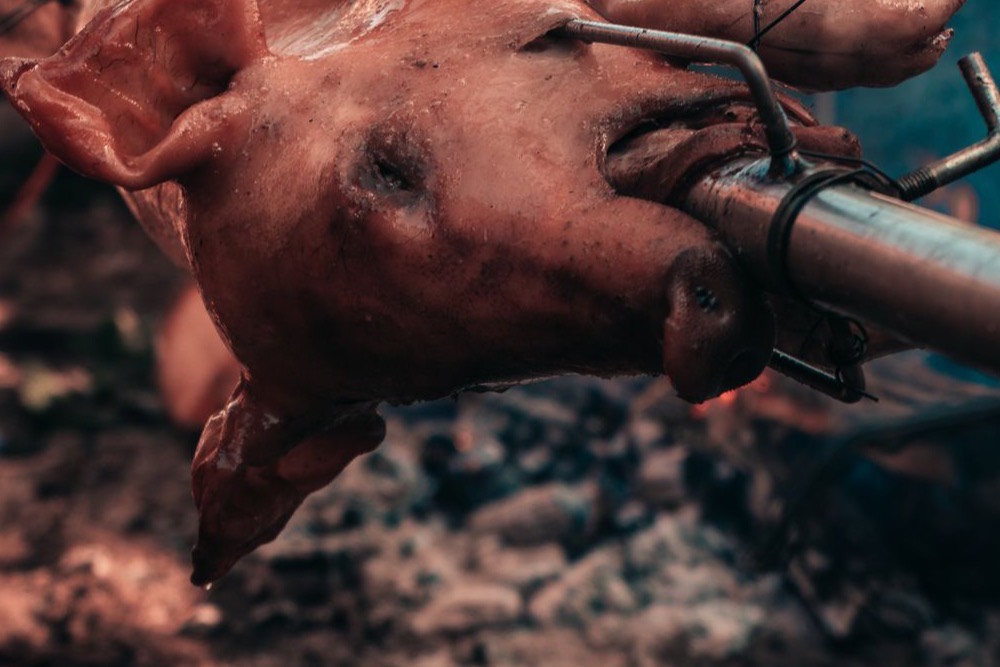
Many beloved Filipino dishes have Spanish origins or influences. Lechon (roasted pig) takes its name from the Spanish word for suckling pig. Champorado combines indigenous rice with Spanish-introduced cacao. Leche flan is the Filipino adaptation of the Spanish crème caramel. Even the iconic Filipino breakfast of longsilog (longganisa, sinangag, itlog) reflects Spanish sausage-making traditions adapted to local tastes.
The Spanish also influenced Filipino dining culture. The concept of the fiesta — community celebrations centered on abundant food — became a defining feature of Filipino social life. To this day, no Filipino celebration is complete without an overflowing table of shared dishes.
Regional Diversity: An Archipelago of Flavors
With over 7,000 islands, the Philippines boasts remarkable regional culinary diversity. Each region has its own specialties, techniques, and flavor preferences:
Ilocos (North Luzon) is known for Bagnet (deep-fried pork belly), Pinakbet (mixed vegetable stew with bagoong), and Empanada. The cuisine tends to be simple, relying on bagoong and vinegar for flavoring.
Pampanga (Central Luzon) is the acknowledged "Culinary Capital of the Philippines." This region gave the world Sisig, and its cooks are renowned for their sophisticated techniques and bold flavors. Kapampangan cuisine uses more complex sauces and preparations than other regional styles.
Bicol (Southern Luzon) is famous for its love of coconut milk and chili peppers. Bicol Express (pork in spicy coconut milk), Laing (taro leaves in coconut cream), and Pinangat showcase a regional cuisine that isn't afraid of heat.
The Visayas (Central Philippines) is home to Cebu's legendary Lechon, Iloilo's delicate La Paz Batchoy, and the fresh seafood dishes of the island communities. The Visayan approach to food tends to be slightly sweeter than Luzon traditions.
Mindanao (Southern Philippines) reflects Islamic and indigenous Lumad culinary traditions. Dishes like Rendang, Satti (grilled meat skewers with spicy sauce), and Pastil (rice wrapped in banana leaves) showcase flavors distinct from the rest of the country.
Filipino Dining Traditions
Kamayan is the traditional Filipino way of eating with bare hands, without utensils. Often practiced during celebrations, kamayan feasts feature food spread on banana leaves on a communal table. This tradition emphasizes the Filipino values of togetherness and sharing. The modern "boodle fight" — a military-inspired version of kamayan — has become a popular dining experience both in the Philippines and in Filipino restaurants worldwide.
Pulutan is the Filipino version of bar food or drinking snacks. When Filipinos gather for drinks (often called "inuman"), the table is always accompanied by pulutan — dishes designed to complement alcohol. Sisig, Chicharron, Kilawin, and grilled seafood are popular choices. The social ritual of inuman with pulutan is a cornerstone of Filipino bonding culture.
Merienda, inherited from the Spanish, is the Philippine tradition of light meals between lunch and dinner (and sometimes between breakfast and lunch too). Pan de sal (salt bread), kakanin (rice cakes), Taho, and various sweet snacks are typical merienda fare. For many Filipinos, merienda is as much a social event as a meal.
The Rise of Modern Filipino Cuisine
In recent years, Filipino cuisine has experienced a global renaissance. Filipino chefs in New York, London, Los Angeles, and other major cities are reimagining traditional dishes through modern techniques while honoring their roots. The concept of "modern Filipino" or "elevated Filipino" cuisine has introduced the world to the depth and sophistication of Philippine flavors.
At the same time, Filipino street food — Isaw, Kwek-kwek (deep-fried quail eggs), Fish balls, and Balut — has gained international attention through food tourism and social media. What was once considered "exotic" is increasingly recognized as delicious, creative, and culturally significant.
Food as Love: The Filipino Way
Perhaps the most important thing to understand about Filipino food culture is that food is the primary language of love, care, and community in the Philippines. "Kumain ka na ba?" (Have you eaten?) is the Filipino way of saying "I care about you." Sending someone home with packed food (padala) is an expression of love. Cooking for others is an act of devotion.
Filipino hospitality is legendary, and it always centers on food. A visitor to any Filipino home — whether expected or not — will be offered food immediately. The table will be set generously, portions will be abundant, and the host will always insist you eat more. This generosity isn't performative — it comes from a deep cultural value that sharing food is sharing love.
This is why our Pinoy Food Personality Test resonates so deeply. Food in the Philippines isn't just sustenance — it's identity, memory, love, and community all on one plate.
About the author
Sam is Korean, a former MBTI skeptic, and the person who built this site. Not a professional chef or a food historian — an enthusiast who cooks the dishes, does the reading, and cross-checks the history against documented Philippine culinary sources. Corrections are welcome and get made. Read the full story.